
The challenge
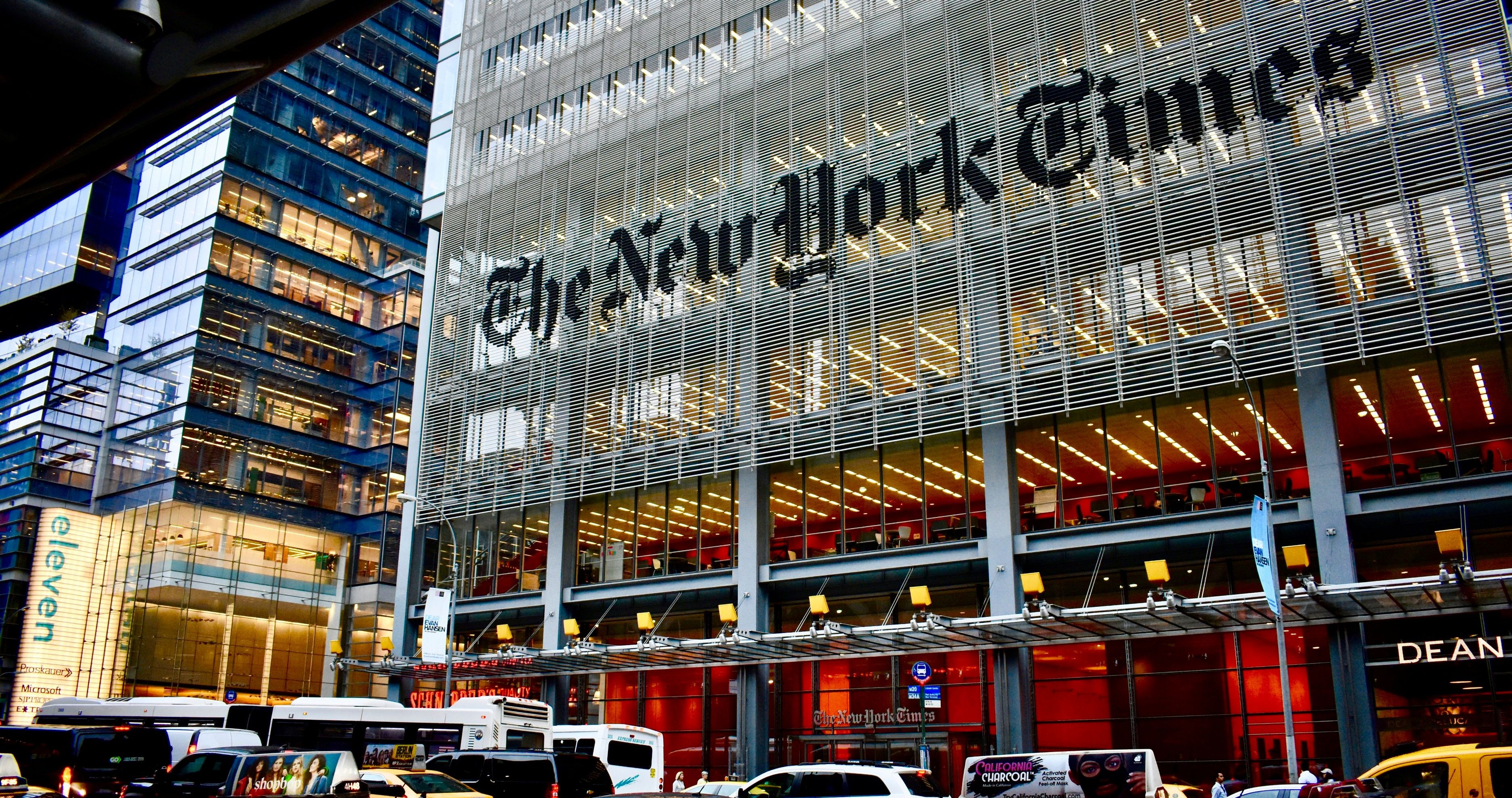
A leading financial institution and New York Times Advertising (NYTA), the advertising arm of The New York Times, sought to collaborate on a high-precision digital campaign to reach a specific audience in Q4 2025.
- Precise audience: The bank required a highly specific audience: households with $1M+ in investable assets (US) and $100k+ (International).
- The addressability gap: Both companies needed a method to find "lookalike" prospects without relying on third-party cookies.
The solution
To bridge the gap between bank data and publisher inventory, the major global financial institution and NYTA collaborated in a Decentriq data clean room (DCR). While the bank has pioneered clean room workflows for several years, this marked the first time NYTA used a data clean room to collaborate on and activate its first-party audiences. The entire collaboration was powered by Decentriq.
The two organizations translated this shared intelligence into a live campaign through a structured process:
- Responsible data matching: The datasets were processed in a Decentriq data clean room.
- Audience analysis: The platform analyzed the overlap between the two datasets, revealing that 1 in 4 of the bank’s customers are Times readers. This high level of shared interest confirmed The Times as a premium environment for the bank's wealth management division.
- Lookalike modeling: Using the overlapping users as a "seed," six lookalike audiences were created. The team tested different audience sizes:
- Small/precise (1%): A tight group that most closely mirrors existing clients of the financial institution.
- Broad/expanded (5%): A larger group designed for higher reach.
- Activation: The finalized segments were exported to Google Ad Manager (GAM), allowing NYTA to serve ads to these high-value prospects without accessing the bank's private customer data. These segments were then run against established control groups.
The results
The collaboration demonstrated that precision-modeled audiences significantly outperform traditional targeting, especially in international markets.
- High-quality engagement: The campaign achieved a 20% uplift in the Quality Visit Rate, proving that the DCR-reached users spent more time browsing the financial institution’s services.
- Efficiency gains: International DCR audiences outperformed the control by 61% (0.89% vs. 0.55% CTR)
- The value of precision: In the US, the smallest and most precise audience (1% size) delivered a 25.12% uplift over the control group.
- Publisher segment validation: The analysis demonstrated the inherent value of NYTA’s own first-party data; even when the audience size was expanded to 5%, performance remained equal to or better than the high-performing control lines.
Driven by the success of the initial campaign, the client has officially renewed the program. This ongoing partnership provides a scalable blueprint for future data collaborations between the two parties. For the financial institution, this collaboration re-affirmed the value of collaborating with New York Times Advertising across markets. For NYTA, it validates the strength of their first-party data and reinforces their position as a high-intent environment for luxury and financial services.
Request a live demo
Want to see what else data clean rooms can do? Have a specific use case in mind? Let us show you.

Other case studies





Subscribe to Decentriq
Stay connected with Decentriq. Receive email notifications about industry news and product updates.