
Cluster of vibrant orange-yellow mushrooms growing densely on a dark, textured piece of wood with a blurred green and purple background.

ID graph onboarding

ID graph onboarding brings an identity layer into a data clean room for matching, so an advertiser's audience can be resolved consistently without advertiser’s PII data being shared to the ID provider. Existing identifiers are onboarded and matched inside the clean room instead, giving advertisers a faster and more secure route to using an ID solution.

Abstract black and white geometric patterns representing secure data collaboration solutions by Decentriq.Abstract geometric design with circles and arcs representing secure data collaboration by Decentriq.

How it works

Advertisers can use onboarding to reach a third-party ID solution without sharing the PII to the ID graph provider: in Switzerland, for example, advertisers get access to OneID's identity graph simply by connecting their CRM to Decentriq, without installing OneID on their own site. Learn more about how data clean rooms complement ID solutions, or download the full guide.

Case Study: Samsung and Publicis Media

3 million

existing customers reached

1 million+

new customers via lookalikes

Samsung wanted to activate its first-party data for personalized advertising across multiple publishers, without relying on third-party cookies or walled garden platforms. Working with Publicis Media, United Internet Media (UIM), and Decentriq, Samsung's anonymized CRM data was matched daily against netID, a privacy-friendly identifier used across UIM, inside a data clean room.

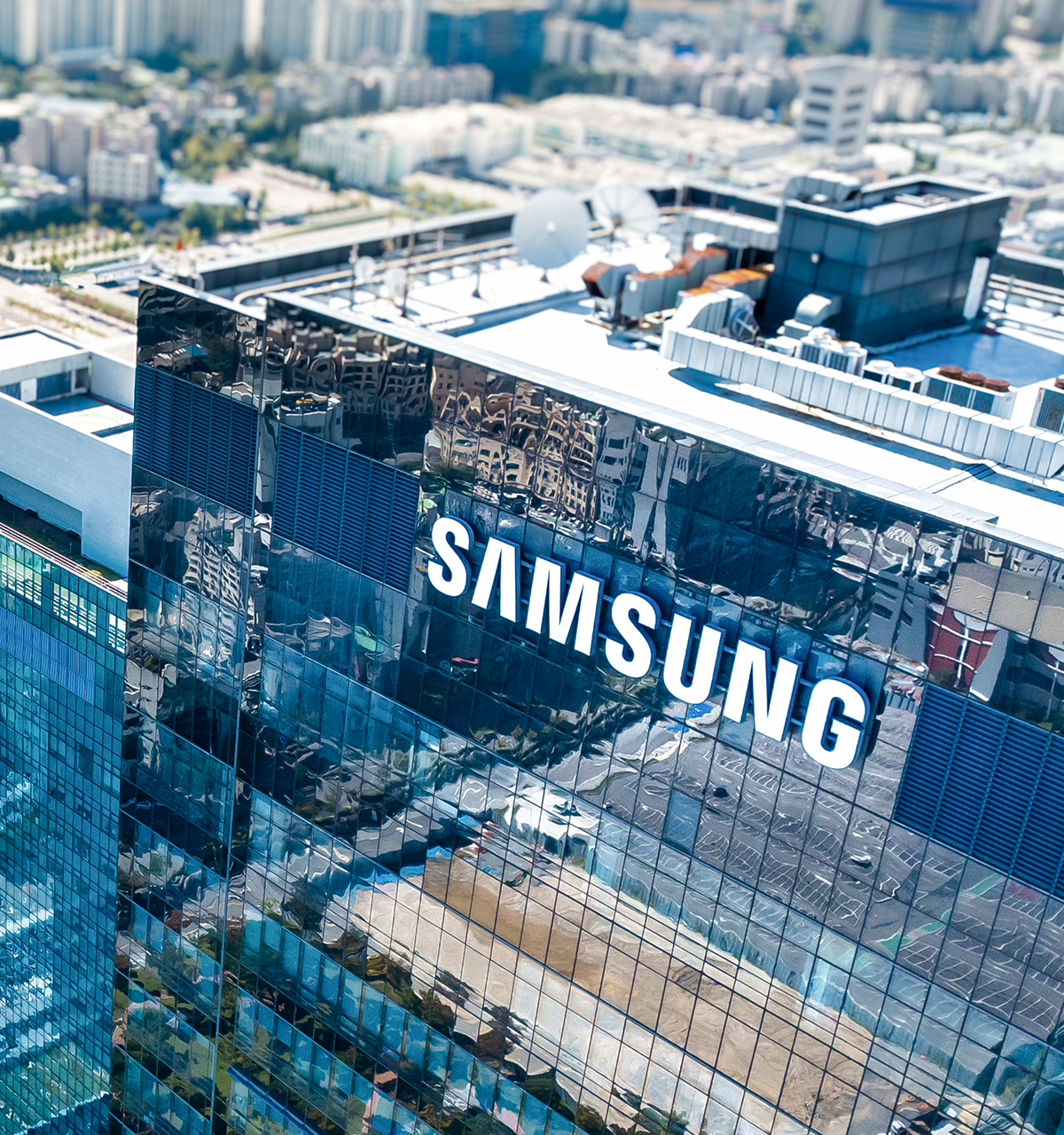
High-angle view of a modern glass office building with the Samsung logo prominently displayed on the facade, reflecting surrounding city buildings and streets.

Frequently asked questions

Do the identifiers themselves ever leave the clean room?

No. Raw identifiers, such as hashed emails or device IDs, stay within the environment during matching. The advertiser's own raw identifiers stay within the environment during matching. The resulting audience is returned with the ID provider's identifiers attached, since that's what makes the segment usable for activation.

Does onboarding require separate setup for every new collaboration?

No. Once the advertiser's connection to an ID provider is configured, the same setup can be reused across future campaigns, rather than rebuilt each time.

How does this differ from working with a third-party identity provider directly?

A provider like LiveRamp requires onboarding your CRM data to its ID graph. Decentriq can instead act as a faster and more secure route to some ID solutions, letting advertisers access ID graphs by connecting their CRM to the clean room without a full integration with the graph provider.

View Other Targeting use-cases

Lookalikes

Extend reach to similar audiences using matched signals, without exposing the seed audience itself.

explore lookalike audiences ->

Affinity segments targeting

Match first-party signals to uncover top affinity segments to target

explore Affinity segments targeting ->

Remarketing

Build retargeting pools from matched audiences without sharing full raw customer data with the other party

explore Remarketing ->

Exclusion targeting

Suppress existing customers from a campaign without handing over the full customer list

explore exclusion targeting ->
Person in low light with colorful screen reflection; conveys focus and modern technology in data collaboration.

Talk to us about ID graph onboarding